What Is Anime Pilgrimage? Seichi Junrei, Explained
Anime Pilgrimage 101 · 4 min read
Published July 16, 2026 · Updated August 22, 2026
Anime pilgrimage is the practice of traveling to the real-world places that anime scenes are drawn from — standing where a character stood, matching the frame with your own camera, and seeing the town behind the show. In Japanese it's called seichi junrei (聖地巡礼), literally "sacred site pilgrimage," the same phrase used for visiting holy places. The borrowed religious language is only half a joke: for fans, these ordinary train crossings, staircases, and shorelines carry real emotional weight.
Why anime uses real places
Modern anime production leans heavily on location photography. Background artists shoot thousands of reference photos of real neighborhoods and reproduce them — often building-for-building, sign-for-sign — because grounded backgrounds make fantastical stories believable. The result is that a series "set" somewhere is usually traceable to exact streets: the staircase from a key scene exists, the convenience store exists, the view from the classroom window exists. Seichi junrei is simply fans closing the loop.
A short history of seichi junrei
Fans have hunted anime locations since at least the 1990s, but three moments made it a mainstream phenomenon:
- 2007 — Lucky☆Star and Washinomiya Shrine. When the series set its heroines' home at a small shrine in Saitama, fans arrived in the hundreds of thousands, and the town embraced them with official events and merchandise. It became the template proving anime tourism could revive a local economy.
- 2016 — Your Name. Makoto Shinkai's film sent global audiences to a Tokyo staircase and the mountain towns of Gifu, demonstrating that pilgrimage travel crosses borders.
- 2016 — the Anime Tourism Association. Industry players founded an official body that now publishes an annual list of 88 anime pilgrimage spots, modeled on Shikoku's 88-temple circuit — institutional recognition that seichi junrei is a pillar of Japanese tourism.
Towns now compete for productions the way cities compete for film shoots, and places like Chichibu (Anohana) and Numazu (Love Live! Sunshine!!) have made anime fans a core part of their visitor economy.
How anime locations get found and verified
Location-hunting is collaborative detective work: fans compare frames against street photography, train-line geometry, storefront signs, and terrain until a scene is pinned to coordinates. The gold standard is a verified comparison — an anime frame side-by-side with a real photograph from the same angle. That verification step matters, because online lists are full of near-misses and outright guesses. Every location on Anime Itinerary's map is verified against reference screenshots, with the exact episode each place appears in, so you're never navigating to a rumor.
Pilgrimage etiquette: the part that keeps it working
Most anime locations are not attractions. They are homes, school routes, and working shrines that happen to appear on screen. The unwritten rules:
- Photograph places, not people. Never shoot residents, students, or private interiors; blur or avoid faces and license plates.
- Keep quiet in residential areas. Groups gathering outside a "famous" house is exactly what turns towns against fans.
- Treat shrines as shrines. Follow posted rules, don't block worshippers, and buy an ema or omamori if you want to support the site.
- Spend locally. The pilgrimage economy survives because fans eat, shop, and stay in the towns they visit.
- Don't trespass for the perfect angle. If the shot needs you on private land or train tracks, the shot doesn't happen.
How to start your first pilgrimage
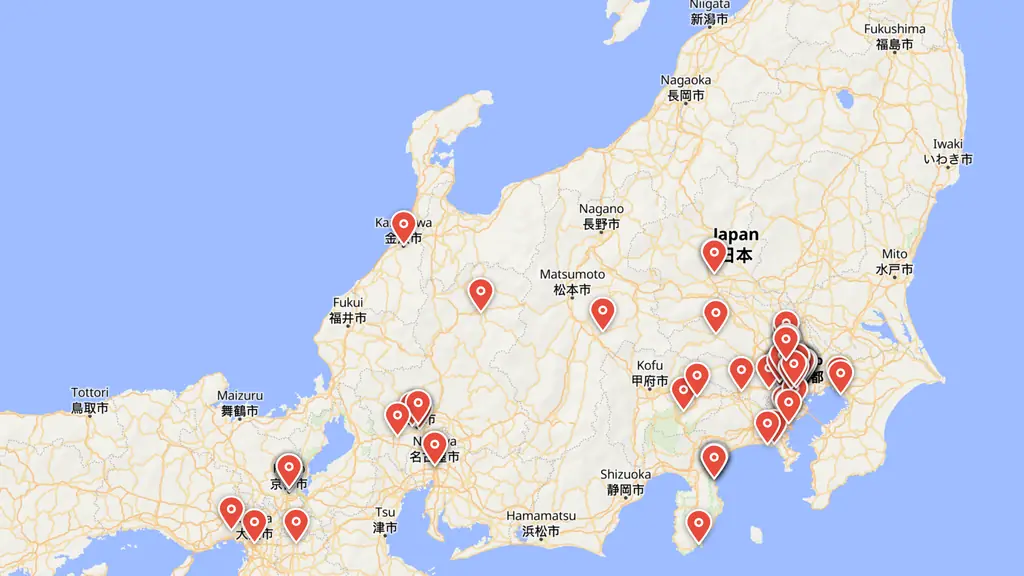
Pick one series you love, see how many of its locations cluster in one area, and build a single day around them — Tokyo series like Steins;Gate or Tokyo Revengers are ideal first pilgrimages because the locations sit minutes apart by train. Browse the explore map to see what's near your route, and when you're ready for a multi-stop day, our itinerary planning guide walks through turning saved locations into a realistic route.
Keep exploring
- Which Prefecture Has the Most Anime Locations? — where Japan's anime locations actually cluster, and what that means for choosing your first pilgrimage region.
- Your Name Real-Life Locations — Tokyo and Hida — the film that brought seichi junrei to a global audience, with 40+ verified spots across Shinjuku and Gifu.